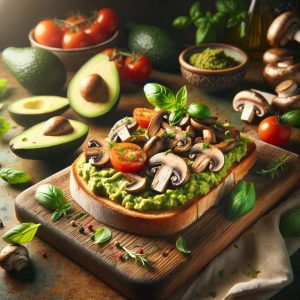



How to Make the Perfect Mushroom Risotto
What is this blog about? This blog is about creating the perfect mushroom risotto.…

Hillbilly has become a talking point among growers and collectors, and for good reason. It is a hardy, forgiving mushroom genetic known for thick, pumpkin-like stems, tough colonization, and dependable growth. This guide covers what makes Hillbilly stand out: its lineage, traits, growth profile, how it compares with other genetics, and what you need to grow it well.
Hillbilly is a full-canopy mushroom cultivar with thick stems and tough colonization. Our isolation features thick, almost pumpkin-like stems with undersized caps, and it fills out bags and containers with massive fruiting bodies. It is also highly adaptable and can change its expression depending on the environment.
What sets it apart is its reliability. Hillbilly grows well under a variety of conditions and doesn’t need much babysitting. For a beginner, that’s gold. It is robust and predictable, and it can deliver good yields even in basic systems.
Many growers also describe an earthy look that feels wild and natural. That rough-around-the-edges appeal is a big part of why people keep coming back.
Hillbilly has a long history in the mycology community. It was first isolated in the late 1990s and is believed to trace back to a wild specimen found in Arkansas. It gained huge popularity in the early 2000s and has recently resurged thanks to independent growers.
Our version began with an isolation from Denver Mycology. Originally a traditional Hillbilly that filled out containers nicely, we developed it through a series of clonal isolations from the original specimen, focusing on the pumpkin phenotype to increase biological efficiency. The result is one of our best genetics to date for biological efficiency.
Hillbilly fruits well, and under good conditions it develops into healthy, fleshy, thick-set mushrooms. Its resistance to contamination means less waste, less worry, and more to observe and learn from.
It is most comfortable in warm, humid conditions with good airflow and light:
It does not like extreme temperatures or waterlogged substrates. For the full breakdown, see our guide to the ideal growing conditions for Hillbilly.
Compared with faster genetics, Hillbilly develops a bit more slowly. That isn’t necessarily a bad thing: slower development often produces larger, fleshier mushrooms, and they’re a pleasure to watch.
It is also tougher than some of the quicker genetics. Tidal Wave, for instance, is known for fast development, while Hillbilly forgives small errors without taking the whole batch down. That makes it a great fit for newer growers and an interesting option for experienced growers who want to try something different. And because it is less common than genetics like Golden Teacher, there’s a bit of novelty too.
Want to know which traits to compare across genetics? Read our guide to observable genetic traits.
Culture is only one piece of the puzzle. Clean containers, quality substrate, proper lighting, and a sterile workspace all play a role in a successful grow. A sealed all-in-one grow bag takes much of the guesswork out of the setup, and you can find the rest in our mycology supplies.
Full Canopy Genetics is a trusted source of mushroom genetics and cultivation supplies for growers of every experience level. Whether you’re growing Hillbilly or something else from our genetics collection, we have the right equipment and know-how to help you do it right.
No gimmicks. Just solid products and honest guidance.
What makes Hillbilly different from other genetics?
Hillbilly is slower-growing but more durable. It has thick, pumpkin-like stems, is less prone to contamination, and adapts to its environment, which makes it a good fit for beginners and experimental growers.
Is Hillbilly good for beginners?
Yes. It is robust, predictable, and forgiving of small mistakes, and it does not need much babysitting.
What conditions does Hillbilly need?
Warm temperatures (about 70–75°F), high humidity (85–95%), moderate light, good airflow, and a clean environment.
How long until the first flush?
Typically 19 to 30 days. Hillbilly is slower than faster genetics, but the wait is worth it.
How much does Hillbilly yield?
In our testing, it averaged 4 lbs in one flush from an 8 lb bag. Results depend on your conditions and setup.
Where can I get Hillbilly culture?
Hillbilly culture and the supplies to grow it are available from Full Canopy Genetics.
So what makes Hillbilly stand out? It is a hardy, forgiving genetic with a long history, thick pumpkin-like stems, and tough colonization, and it teaches you a lot as you grow it. Pair it with clean supplies and a little patience, and it’s one of the easiest genetics to work with.