

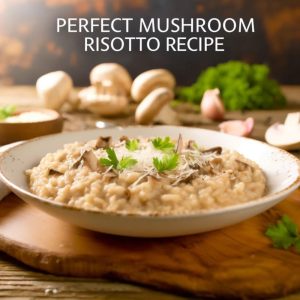
How to Make the Perfect Mushroom Risotto
What is this blog about? This blog is about creating the perfect mushroom risotto.…

Growing mushrooms at home has become increasingly popular as a hobby and as a means of producing fresh, organic food. mushroom culture cultivation is a method that’s gaining traction among mushroom enthusiasts due to its efficiency and scalability. Whether you’re a beginner or an experienced grower, understanding how to manage a liquid mushroom culture is key to your success.
In this article, we’ll explore some valuable tips that will help you master mushroom culture cultivation. We’ll discuss how to use a mushroom starter effectively, the best practices for maintaining your culture, and how to get the most out of your liquid mushroom culture kit.
Before diving into tips for successful cultivation, it’s important to understand what mushroom culture is and why it’s beneficial for growing mushrooms.
Mushroom culture is a method of mushroom cultivation that involves growing mycelium (the vegetative part of a fungus) in a nutrient-rich liquid solution. This technique allows for rapid expansion of the mycelium, which can then be used to inoculate substrate and produce mushrooms.
Mushroom culture has several advantages over traditional cultivation methods:
Selecting a high-quality mushroom starter is essential for successful mushroom culture cultivation. A starter culture, which can be a spore syringe or a culture syringe containing live mycelium, is what you’ll use to inoculate your liquid nutrient solution.
When purchasing a mushroom starter, ensure that you’re buying from a reputable supplier. A reliable source will provide you with a pure culture that’s free from contaminants.
Different mushroom strains have different growth requirements. Familiarize yourself with the specific needs of the strain you’re working with to tailor your cultivation practices accordingly.
The next step in successful cultivation is preparing your mushroom culture medium. This is the nutrient solution in which your mycelium will grow.
A basic mushroom culture medium consists of water and a source of nutrients, usually in the form of sugars or extracts. Here’s a simple recipe:
Sterilize the solution by pressure cooking or using another sterilization method to prevent contamination.
Contamination is one of the biggest challenges in mushroom cultivation. To minimize this risk, it’s crucial to sterilize all equipment and work in a clean environment.
Always clean and disinfect your workspace before beginning any cultivation work. Use a solution of bleach or alcohol to wipe down surfaces.
Autoclave or pressure cook your equipment, including jars, syringes, and needles, to ensure they are free from contaminants before use.
When inoculating your mushroom culture medium with the mushroom starter, take care to maintain a sterile environment. Use a laminar flow hood if available, or create a still air box to reduce the risk of airborne contaminants.
Before inoculating, flame sterilize the needle of your syringe to kill any potential contaminants. Allow the needle to cool for a few seconds before inserting it into the culture medium.
Inject the mushroom starter into the mushroom culture medium and gently swirl to distribute the mycelium evenly.
After inoculation, it’s important to monitor your culture and provide the right conditions for mycelium growth.
Keep your culture at the appropriate temperature for the mushroom strain you are cultivating. Most strains thrive at around 75°F (24°C).
Gently agitate your culture daily to ensure that the mycelium remains suspended and receives adequate oxygen.
For beginners, a liquid mushroom culture kit can simplify the cultivation process. These kits come with pre-sterilized components and detailed instructions.
A typical liquid mushroom culture kit includes:
To maximize your chances of success, follow the instructions provided with your kit closely. Kits are designed to take the guesswork out of the cultivation process.
Once your mushroom culture is fully colonized with mycelium, you can use it to inoculate more nutrient solution or directly inoculate your substrate.
One common method is to transfer the mushroom culture to sterilized grains to create grain spawn, which can then be used to inoculate bulk substrates.
Alternatively, you can inject the mushroom culture directly into your substrate bags or jars if they have been properly prepared and sterilized.
Keeping detailed records of your cultivation process is a good habit. Note down the strain, inoculation date, growth conditions, and any observations. This information can be invaluable for troubleshooting and refining your technique.
Mycelium growth takes time, and different strains will grow at different rates. Be patient and resist the urge to disturb your culture too frequently.
Even with careful attention to detail, you may encounter issues during cultivation. Here are some common problems and their solutions:
If you notice strange colors or smells, your culture may be contaminated. Discard it and start over, taking extra care with sterilization.
Slow mycelium growth could be due to low temperatures or poor nutrition. Ensure your culture is kept at the right temperature and that your nutrient solution is correctly formulated.
Mushroom culture cultivation is a powerful technique for growing mushrooms at home. By following these tips and maintaining a clean and controlled environment, you can enjoy a bountiful harvest of mushrooms. Remember to start with a high-quality mushroom starter, prepare your medium carefully, and be patient as your mycological journey unfolds. With practice and attention to detail, you’ll become a proficient cultivator of mushroom cultures in no time.